
Choosing a Streaming Service is not only a question of selecting channels or installing an app. A dependable setup depends on four connected decisions: defining household viewing needs, checking the legitimacy and compatibility of the service, protecting accounts and devices, and preparing the home network for sustained video traffic. This approach helps avoid paying for a service that does not fit the screens, connection, or viewing habits in the home.
When researching options, begin with the product information, supported-device details, account terms, and support routes supplied by the provider. The Xtreme HD IPTV-ის სტრიმინგ-სერვისის შესაძლებლობები page can be one starting point for reviewing the offering, but it should be followed by a practical check on the specific devices and connection that will be used. Do not assume that a service will work identically on every television, mobile device, browser, or streaming box. Pour approfondir le sujet, consultez également notre dossier sur Technology / AI.
1. Structure the Evaluation Before Buying
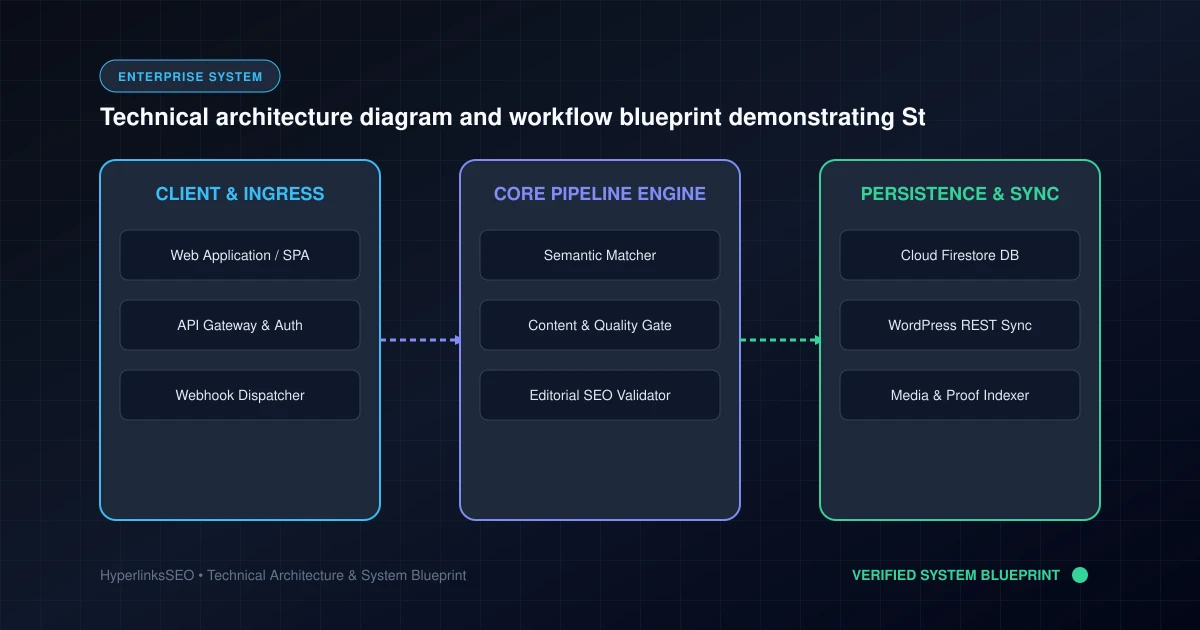
A structured evaluation turns a vague entertainment purchase into a clear decision. Start by listing the people who will use the service, the rooms where they watch, the devices already owned, the content categories that matter, and the number of streams likely to run at once. The Federal Communications Commission recommends considering the number of users and the activities taking place simultaneously when assessing broadband needs, because shared activity affects the connection available to each user. FCC Broadband Speed Guide
Create a simple requirements sheet
- Viewing locations: Record each TV, laptop, tablet, and phone that may use the service.
- Concurrent use: Identify realistic peak demand, such as one person watching live programming while another uses video calls or online games.
- Playback priorities: Decide whether picture quality, live viewing, catch-up access, subtitles, parental controls, or mobile viewing matters most.
- Control preferences: Note whether users need a remote-friendly interface, voice control, accessibility options, or a simple sign-in process.
- Support expectations: Check how billing questions, technical issues, and account recovery are handled before committing.
Use this list to compare the provider’s published information with your own environment. Ask direct questions: Which operating systems and app versions are supported? How are updates delivered? Is there a documented process for changing a password, managing sessions, or contacting support? A purchase decision is more resilient when it is based on documented answers rather than screenshots, social posts, or unverified reseller claims. Pour approfondir le sujet, consultez également notre dossier sur XTREME HD bewerten.
2. Key Success Factors for 2026
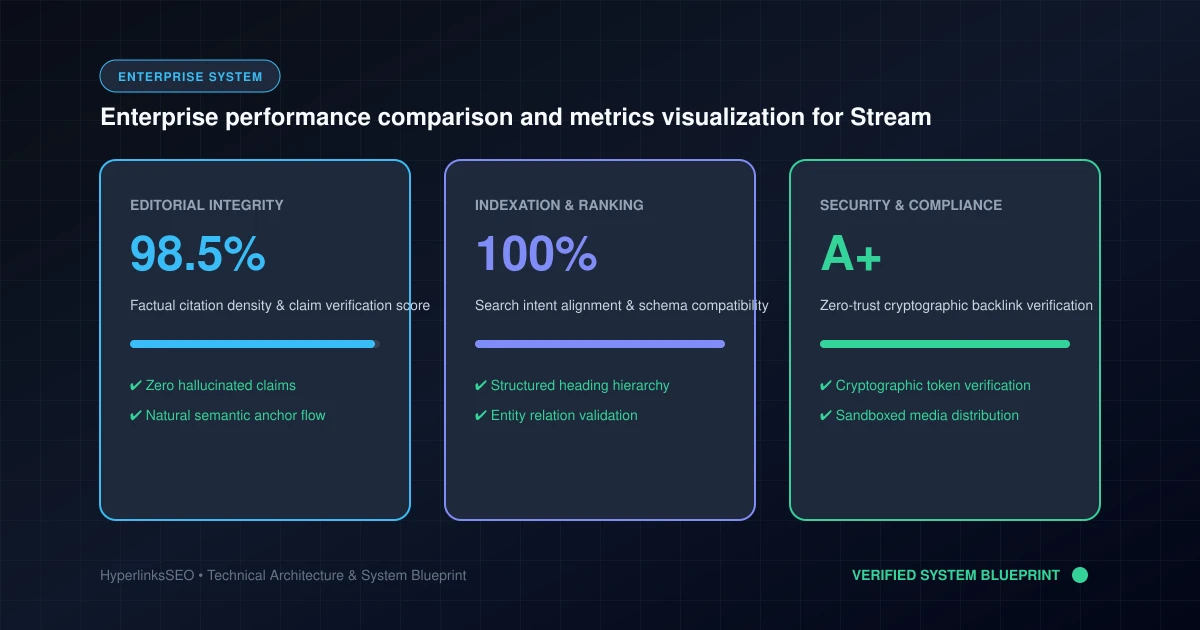
The key factor in 2026 is fit: the service, devices, network, and household rules must work together. Connected-home security guidance from the Cybersecurity and Infrastructure Security Agency stresses maintaining current software, using strong passwords, and securing home routers and connected devices. CISA Home Network Security These basics matter as much as picture quality because a poorly secured router or reused password can affect every connected screen.
Another success factor is service verification. Before entering payment details, review the provider’s terms, renewal conditions, privacy information, and customer-support channels. Make sure the provider has the rights or authorization required for the content offered in your jurisdiction. The U.S. Copyright Office explains that copyright owners hold exclusive rights related to the reproduction, distribution, and public performance of protected works. U.S. Copyright Office: Copyright Basics Availability, rights, and consumer protections can vary by country, so users should apply the rules that govern their location. Pour approfondir le sujet, consultez également notre dossier sur IPTV Kaufen fuer mehrere Geraete Smart TV, Fire Stick und Android TV.
Finally, plan for change. Streaming apps, operating systems, router firmware, and content catalogs can change over time. Keep a short record of subscriptions, renewal dates, login recovery methods, supported devices, and network settings. That record makes it easier to troubleshoot a playback problem or replace a device without starting the evaluation from scratch.
3. Secure Accounts and Confirm Equipment Compatibility
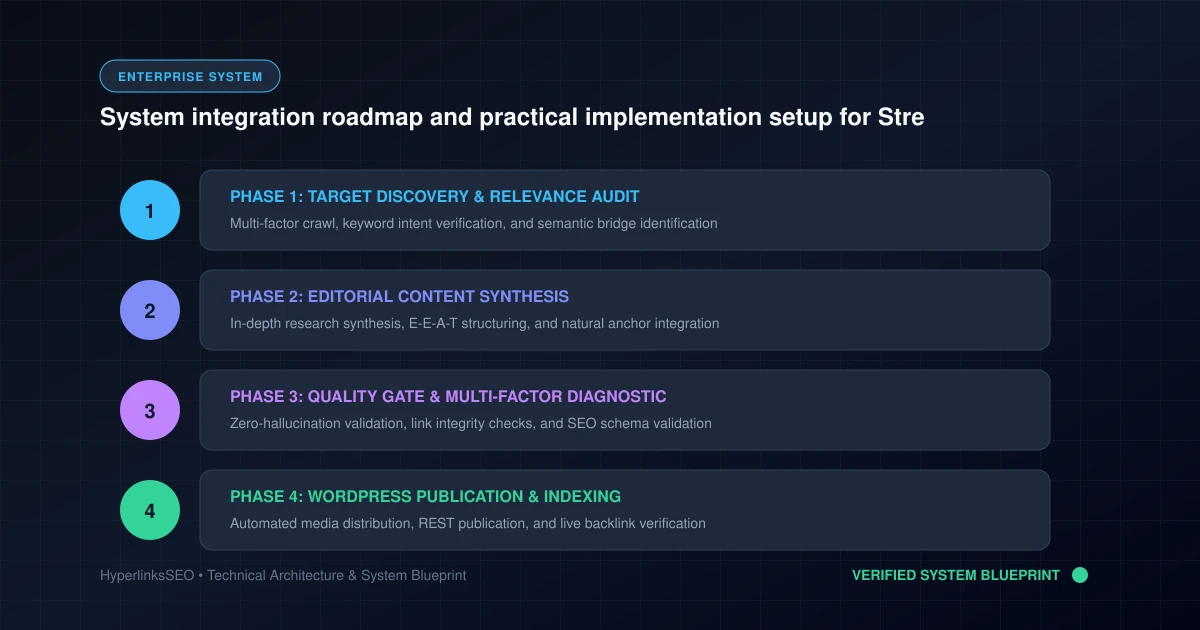
Security starts with the account. Use a long, unique password for the Streaming Service account and do not reuse the password from email, banking, or social accounts. Where available, enable multi-factor authentication. CISA recommends strong, unique passwords and multi-factor authentication as protections against unauthorized account access. CISA: Turn On MFA Pour approfondir le sujet, consultez également notre dossier sur IPTV Kaufen mit Support Hilfe bei App und Aktivierung.
Equipment checklist
- Confirm the exact device model, operating system version, and available storage before installation.
- Install apps only from official app stores or provider-approved sources; avoid unknown downloads and modified application packages.
- Apply updates to the television, streaming device, phone, browser, and router before troubleshooting playback.
- Check the display connection and video settings, especially after replacing a television, receiver, or HDMI cable.
- Sign out of devices that are sold, returned, or no longer used, then remove them from the account if account controls allow it.
For routers and smart-home equipment, change default administrative credentials, use WPA3 where the router and devices support it, and keep router firmware current. The Wi-Fi Alliance describes WPA3 as a Wi-Fi security certification program designed to provide stronger protections than earlier Wi-Fi security generations. Wi-Fi Alliance: Wi-Fi Security If older devices cannot use current security settings, place them on a separate guest or IoT network when the router offers that capability.
4. Optimize the Network for Stable Playback
Network tuning should be based on observation rather than guesswork. First, test the internet connection near the router and then at the actual viewing location. If performance drops only in one room, the likely issue is local Wi-Fi coverage rather than the internet plan itself. The FCC notes that Wi-Fi performance can be affected by factors including distance, obstacles, and interference. FCC Wi-Fi Tips
Practical network improvements
- Use Ethernet where practical: A wired connection can remove local wireless coverage issues for fixed televisions and streaming boxes.
- Place the router carefully: Use an open, central location when possible, away from dense obstructions and sources of interference.
- Separate critical traffic: If the router supports quality-of-service settings, test whether prioritizing a streaming device improves consistency during busy periods.
- Review peak-hour demand: Pause large downloads, cloud backups, and software updates while diagnosing repeated buffering.
- Restart methodically: Restart the affected app and device first, then the router only if the issue persists across more than one device.
A mesh system or additional access point may help where one router cannot provide coverage across the whole home, but placement still matters. Test after every change and keep the adjustment only if it improves the viewing experience. Avoid changing several router settings at once; a one-change-at-a-time approach makes it possible to identify what actually fixed the problem.
5. A Practical Decision and Review Process
Use a staged rollout. Start on one current, supported device and test sign-in, navigation, playback, audio, subtitles, and recovery after an app restart. Then test during the household’s busiest period, when other people are online. If the service performs as expected, expand to additional screens. This sequence separates provider, device, and home-network variables more effectively than installing everything at once.
A good Streaming Service setup is one that remains understandable: users know which devices are approved, how the account is protected, who to contact for help, and what to check when playback changes.
Review the setup at renewal time. Reconfirm device support, remove unused sessions, update passwords when there is a reason to believe they may have been exposed, and compare the subscription’s current terms with the household’s actual usage. The National Institute of Standards and Technology advises organizations to consider password changes when there is evidence of compromise rather than relying solely on arbitrary periodic changes. NIST Digital Identity Guidelines
Frequently Asked Questions
How should I assess and structure my approach with Xtreme HD IPTV?
Define viewing needs, verify the provider’s published terms and compatibility information, test one device first, and measure performance during normal household use. Keep a written list of devices, account-recovery details, and support contacts so the setup can be maintained over time.
What are the important success factors in 2026?
Prioritize a lawful and transparent service choice, compatible and updated devices, a secure account, and a network that can handle simultaneous household activity. Review the setup periodically because apps, device support, and network conditions can change.
How can I protect my equipment and confirm compatibility?
Use official software sources, update device and router software, create unique passwords, enable multi-factor authentication where available, and verify exact model and operating-system support before subscribing or installing an app.
What network practices reduce buffering and instability?
Test at the viewing location, prefer Ethernet for fixed devices where practical, improve router placement, reduce competing traffic while testing, and change one network setting at a time. If one area has weak coverage, evaluate an access point or mesh placement after measuring results.


